A missed deadline in a legal matter isn’t just inconvenient. It can cost your client a deal, delay a court hearing, or in the worst cases lead to sanctions that are difficult to undo. When a document needs to be in the right hands today, posting it and hoping for the best isn’t a plan.
What Types of Legal Documents Need Courier Delivery?
Not every document needs a same-day courier, but many do. The most common types that solicitors, conveyancers, and businesses send by courier include signed contracts and agreements where original signatures are required, Land Registry deeds and title documents during property completions, court bundles and claim forms with strict filing deadlines, mortgage documents and completion packs, confidential correspondence that cannot be sent digitally, and wills, probate documents, and original certificates.
If a document carries a signature or seal that cannot be reproduced electronically, or if the recipient requires the original paper copy, a tracked dedicated courier is almost always the right call. A document lodged with a court registry must arrive before the cut-off time. Property completion funds are released against documents arriving on time. There is no room for “estimated delivery by end of day.”
Why Standard Post Falls Short for Legal Deadlines
Standard tracked post through Royal Mail or a parcel network involves depot sorting, shared delivery runs, and estimated windows that can shift without warning. For a document that must reach a court registry by 4pm, a next-day delivery service is not good enough when the document isn’t booked until lunchtime.
The Civil Procedure Rules governing England and Wales courts are unforgiving about timing. A claim form filed a day late can be struck out. A bundle that misses the court’s cut-off can push a hearing back weeks. According to Ministry of Justice civil justice statistics, over 479,000 civil claims were issued in England and Wales courts in the third quarter of 2025 alone, up 4% on the same period the year before. The volume of legal paperwork moving through UK courts is growing. Getting your documents there on time has never been more pressing.
What to Look for in a Legal Document Courier
Collection within 60 minutes
Legal emergencies give you little notice. A courier that can be at your door within an hour of booking gives you a real option when deadlines appear unexpectedly. Check this before you need it, not during the crisis.
A dedicated vehicle, not a shared van
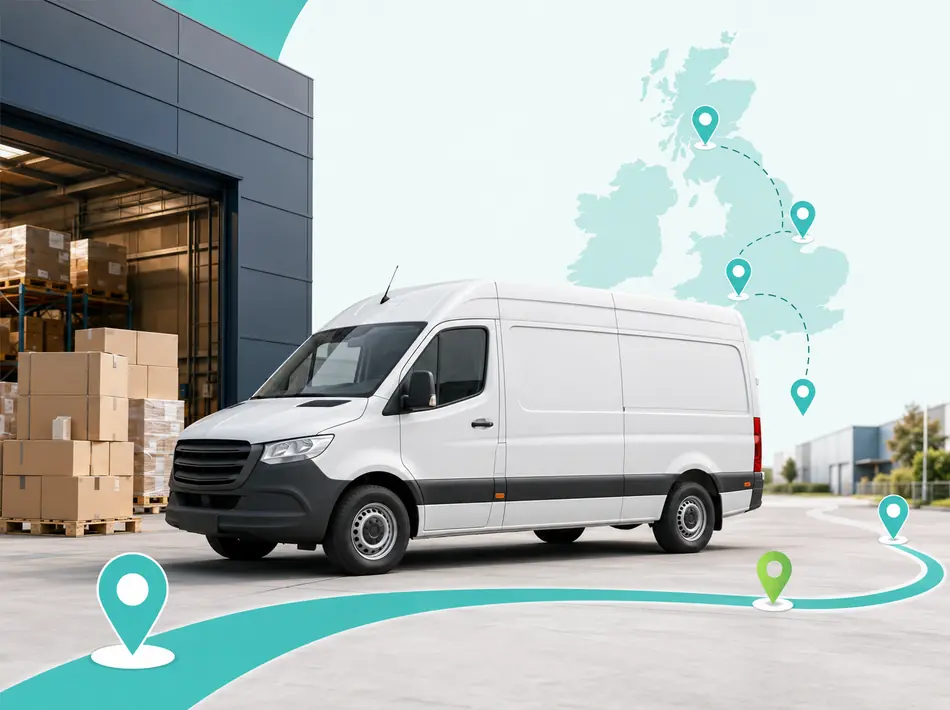
A dedicated document courier takes your package straight from collection to delivery, in its own vehicle, without stopping at a depot or picking up other customers’ parcels along the way. A shared van introduces delays that are outside anyone’s control. For legal documents, that risk isn’t worth taking.
Live GPS tracking
Real-time tracking lets you see exactly where your document is at any point in transit. You shouldn’t need to phone the courier to find out whether your parcel has left the building. A tracking link sent at the point of collection is standard practice with a good courier.
Signed proof of delivery
A timestamped, signed proof of delivery is often needed for your own records, especially in legal matters where you may need to demonstrate that a document arrived before a specific deadline. Make sure the courier provides this as standard, not as an optional add-on.
24/7 availability
Court deadlines and urgent matters don’t follow business hours. A solicitor dealing with an urgent injunction at 7pm or a property completion that runs long on a Friday afternoon needs a courier that picks up the phone. A service that closes at 5pm isn’t useful in those moments.
How to Prepare Legal Documents for Courier Delivery
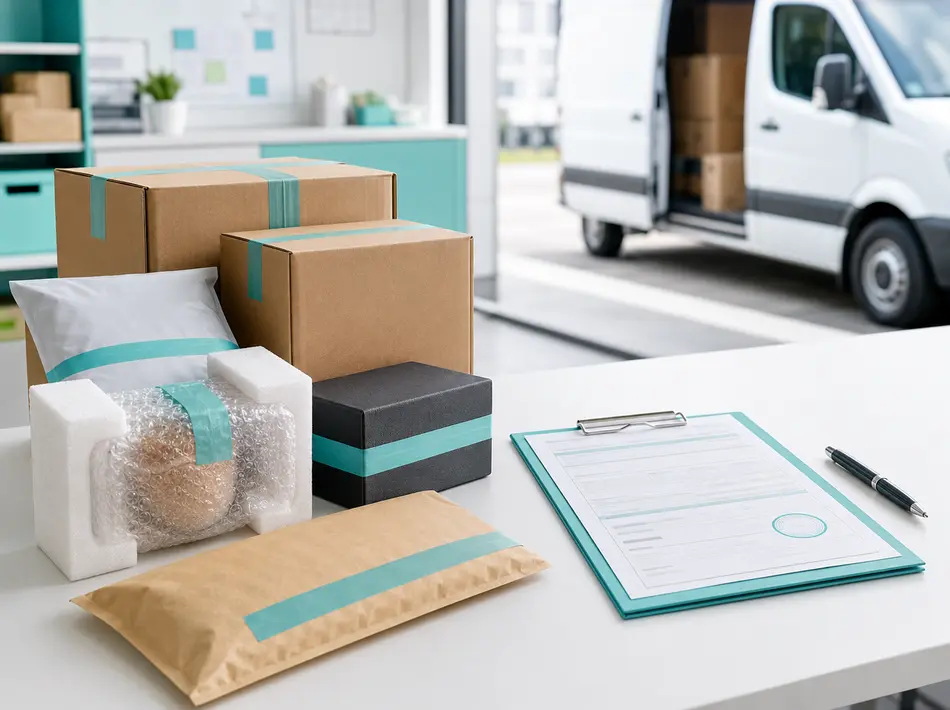
Keep originals flat inside a rigid-backed envelope or document wallet. Use waterproof outer packaging if there’s any risk of wet weather between the vehicle and the door. If the documents run to multiple pages, seal them in order and note the page count on the outside so the recipient can confirm everything arrived intact.
Label the envelope clearly with the recipient’s full name, organisation, address, and a direct phone number. Do the same for the sender. If there’s any problem at delivery, the courier needs to reach someone quickly. If the document requires a signature on receipt, tell the courier at the time of booking so they don’t leave it unattended or hand it to the wrong person.
Using a Courier for Regular Legal Document Runs
If your firm sends documents regularly, between offices, to courts, to clients, or to other firms, a one-off booking every time creates unnecessary friction. A trade or business account with a courier means faster booking, consolidated invoicing, and a team that already knows how your firm works.
Flextro’s trade accounts are set up for exactly this kind of regular, professional use. No per-booking admin. No separate invoices for every job. Just a clean process you can build into how your team works. If a genuinely critical situation arises, the emergency courier service is available 24/7, with collection typically within 60 minutes anywhere in the UK.
Frequently Asked Questions
Can a courier deliver directly to a court or tribunal?
Yes. A courier can deliver to court offices, tribunal centres, and legal chambers, provided you give the correct address, department name, and a contact name. Some courts require documents to be handed in at a specific counter or security point. Check the specific requirements with the receiving court before booking, then pass those details on to the courier at the time of collection.
How quickly can a legal document courier collect from my office in the UK?
With Flextro, collection happens within 60 minutes of booking from 95% of UK addresses, seven days a week, 365 days a year. For businesses based in major cities, collection times are often shorter. If you need to move something urgently and want an estimated collection time before booking, call directly and we’ll give you a realistic window.
Is proof of delivery provided as standard?
Yes, every Flextro delivery includes a signed, timestamped proof of delivery at no extra cost. If you need proof in a particular format for your legal records, mention this when you book and we’ll make sure the driver knows what’s required.
What happens if the recipient is unavailable when the courier arrives?
The driver will attempt to contact the recipient at the delivery address. If no one is available and the document cannot be left safely, the driver will not leave it unattended. They’ll contact you for further instruction. Legal documents are never left without explicit authorisation from the sender.
Can I trust a courier with confidential legal documents?
With a dedicated courier, yes. A dedicated vehicle means your documents are handled only by your assigned driver, travelling directly from your address to the recipient. No depot sorting, no shared handling, no third parties. Live tracking lets you follow the document throughout transit, and you receive a signed proof of delivery the moment it’s handed over.
Can my law firm set up a regular courier account?
Yes. Flextro offers trade and business accounts for law firms, conveyancers, and other professional services organisations that send documents regularly. An account speeds up booking, consolidates invoicing, and gives your team a reliable courier they can count on job after job. Open a trade account here.
Get Your Documents There on Time
Legal work runs on deadlines. A signed agreement that arrives a day late, a court bundle that misses the filing cut-off, a deed that doesn’t reach the other solicitor before completion: these have real consequences. Choose a courier that collects within 60 minutes, travels direct, and gives you proof the moment the job’s done. Get a quote from Flextro and book your first delivery in minutes.
For the broader picture across chambers, firms and courts, see legal courier services.

Written by
Fabian Oliver — Content Writer, Flextro
Fabian is a content writer at Flextro, a UK-based dedicated courier and same-day delivery company. He writes clear, practical guidance on courier services, logistics, and delivery for UK businesses — from same-day and emergency deliveries to pallet freight, eCommerce fulfilment, and contract runs. Drawing on the expertise of the wider Flextro team, Fabian helps business owners make smarter, safer decisions about moving their goods, without the jargon.